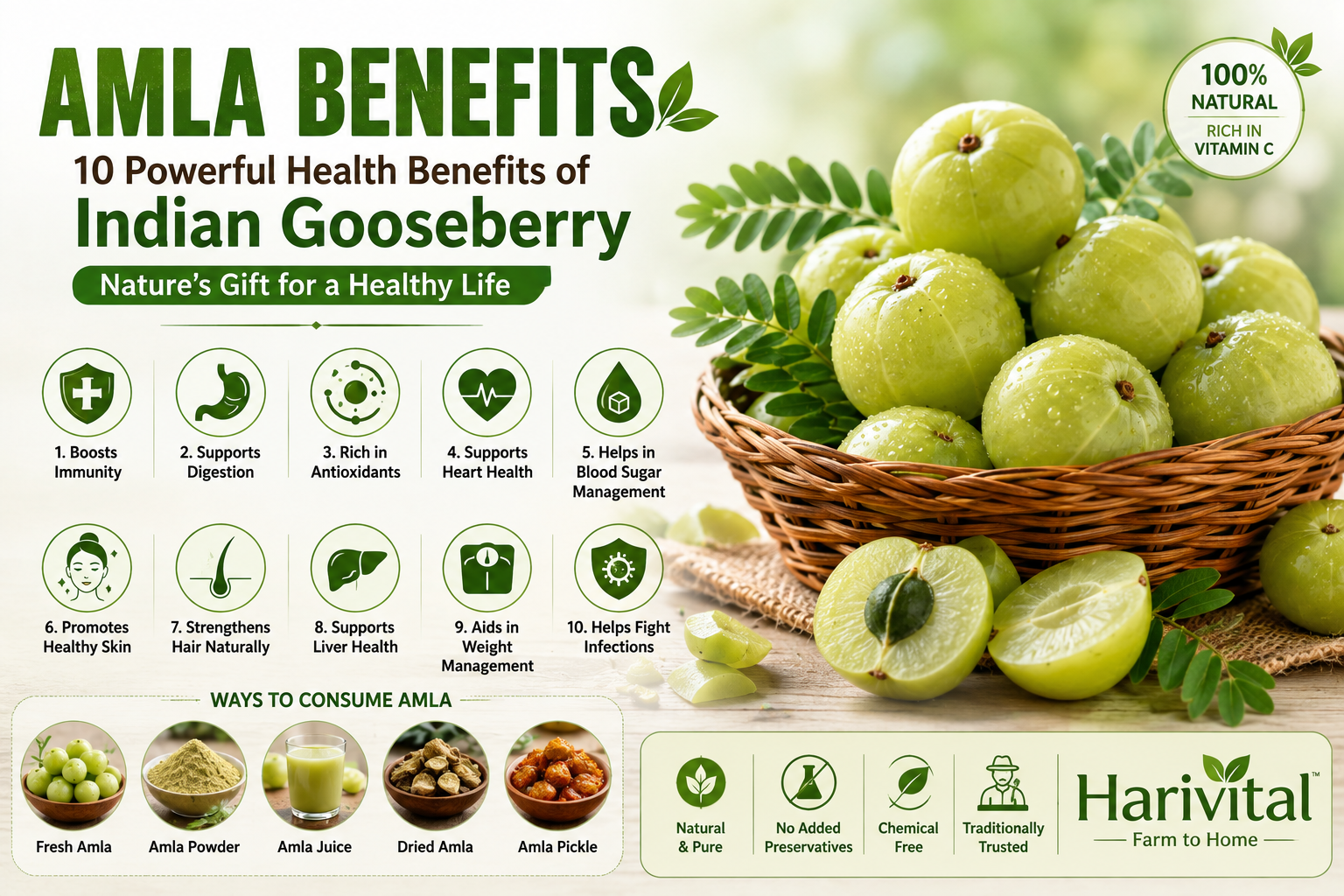
Amla Benefits: 10 Powerful Health Benefits of Indian Gooseberry
Amla, also known as Indian gooseberry, is a small green fruit with a long history in Indian food and traditional wellness practices. Its scientific name is Phyllanthus emblica. People have valued amla for generations because it provides important nutrients and naturally occurring plant compounds.
Today, researchers are also studying amla benefits because the fruit contains vitamin C, polyphenols, tannins, and other bioactive compounds. These nutrients and plant compounds may support several aspects of health when amla forms part of a balanced diet.
However, amla should not be viewed as a cure for any disease. Instead, it can be considered a nutrient-rich fruit that may support overall wellness.
What Is Amla or Indian Gooseberry?
Amla is a round, greenish-yellow fruit that grows on the Phyllanthus emblica tree. It is native to the Indian subcontinent and has also been used in other parts of Asia.
The fruit has a distinctive taste. It can taste sour, bitter, and slightly astringent at the same time. People commonly consume fresh amla, dried amla, amla powder, juice, pickles, preserves, and other food preparations.
In Ayurveda, amla has traditionally held an important place. Traditional systems have used the fruit in different preparations for general wellness and digestive support. Modern research now examines its nutritional profile and potential biological effects.
Amla Nutrition: What Makes This Fruit Special?
One of the main reasons researchers study amla nutrition is its rich combination of vitamin C and plant compounds.
Research reviews report that amla contains vitamin C along with polyphenols and other phytochemicals. The exact nutrient levels can vary depending on the variety, growing conditions, processing method, and preparation.
Amla also provides other nutrients and compounds, including:
- Vitamin C
- Dietary fiber
- Minerals
- Polyphenols
- Tannins
- Flavonoids
- Other plant compounds
Vitamin C plays several important roles in normal body function. It supports normal immune function and contributes to antioxidant protection. Meanwhile, polyphenols can contribute to the antioxidant activity associated with amla.
Therefore, the nutritional profile makes Indian gooseberry benefits an interesting topic for both traditional wellness and modern nutrition.
1. Amla Benefits for Antioxidant Support
One of the most discussed amla health benefits involves its antioxidant properties.
Our bodies naturally produce molecules known as free radicals during normal biological processes. Environmental factors can also contribute to oxidative stress. The body uses its own antioxidant defense systems to maintain balance.
Amla contains vitamin C and several polyphenolic compounds that can contribute to antioxidant activity. Research reviews describe amla as a rich source of bioactive compounds with antioxidant potential.
This does not mean that eating amla eliminates oxidative stress. Instead, adding nutrient-rich fruits such as amla to a varied diet can contribute to overall antioxidant intake.
2. Amla May Support Immune Health
Vitamin C is another important reason people include amla in their diet.
The immune system needs several nutrients to function normally, and vitamin C plays a role in normal immune function. Amla can provide vitamin C along with other plant compounds.
Some research on amla extracts has also explored immune-related effects. However, laboratory and early clinical findings do not mean that amla can prevent or cure infections. More research is needed to understand the effects of different amla preparations in humans.
Therefore, it is better to think of amla for immunity as a nutritional support rather than a medical treatment.
3. Amla Benefits for Digestion
Traditional Indian systems have used amla in preparations associated with digestive wellness for centuries.
Modern reviews also discuss the potential digestive and gastrointestinal effects of Phyllanthus emblica. Researchers have identified several plant compounds that may contribute to these biological activities.
Amla also contains dietary fiber, which forms an important part of a balanced diet.
However, digestion can depend on many factors, including total fiber intake, hydration, physical activity, and overall diet quality.
So, amla for digestion works best as part of a healthy eating pattern rather than as a replacement for medical care.
4. Amla May Support Metabolic Health
Researchers have also studied amla benefits in relation to blood glucose and blood lipid markers.
A 2023 systematic review and meta-analysis examined randomized controlled trials of amla supplementation in adults. The pooled results showed improvements in several metabolic markers, including fasting blood glucose, LDL cholesterol, total cholesterol, triglycerides, and C-reactive protein. However, the researchers also noted that more studies are needed to confirm these findings.
This distinction matters.
Amla research looks promising, but that does not mean amla can replace prescribed medicines, medical advice, or a balanced diet.
For general wellness, people can include amla as one nutrient-rich food within a varied eating pattern.
5. Amla and Heart Health
Another area of interest involves amla and heart health.
Researchers have studied amla preparations for their possible effects on cholesterol and other cardiovascular risk markers. A systematic review of nine randomized controlled trials found promising effects on LDL cholesterol, triglycerides, and some inflammatory markers. However, the researchers advised caution because the available trials had differences in design and included a relatively limited number of participants.
Therefore, it is more accurate to say that amla may support cardiovascular health markers rather than claim that it prevents or treats heart disease.
A heart-friendly lifestyle still depends on regular physical activity, a balanced diet, healthy sleep, and appropriate medical care.
Why Amla Has Become Popular Worldwide
The popularity of amla goes beyond traditional Indian use.
Researchers continue to study Phyllanthus emblica because the fruit combines nutritional value with a wide range of naturally occurring compounds. Reviews have identified vitamin C, polyphenols, tannins, flavonoids, and other phytochemicals in amla.
At the same time, consumers can find amla in many forms.
Fresh fruit provides a traditional whole-food option. Amla powder offers a convenient alternative. Juice and dried preparations provide other ways to consume the fruit.
Still, processing can change nutrient levels and the overall composition of a product. Therefore, consumers should consider the form, ingredients, serving size, and quality of the product.
6. Amla Benefits for Skin Health
Amla contains vitamin C and several plant compounds that make it interesting from a nutrition and skincare perspective.
Vitamin C contributes to normal collagen formation. Collagen helps maintain the normal structure of skin and other connective tissues.
Amla also contains antioxidant compounds. These compounds may contribute to the body’s overall antioxidant defense.
However, eating amla does not guarantee younger-looking skin or prevent skin conditions. Skin health depends on many factors, including nutrition, hydration, sun exposure, sleep, genetics, and daily skincare.
Therefore, amla for skin works best as part of a balanced lifestyle.
7. Amla Benefits for Hair
Amla has a strong traditional connection with hair care in India.
People commonly use amla in hair oils, powders, masks, and other traditional preparations. Ayurvedic hair-care practices have used amla for generations.
The fruit also provides vitamin C and other plant compounds. However, traditional use does not automatically prove that amla can treat hair loss or other medical hair conditions.
Therefore, we should describe amla for hair as a traditional wellness practice rather than a guaranteed treatment.
If someone experiences sudden or severe hair loss, they should consult a qualified healthcare professional to identify the underlying cause.
8. Ayurvedic Benefits of Amla
Amla holds an important position in Ayurveda.
Traditional Ayurvedic practices have used amla in food preparations and herbal formulations for a wide range of wellness purposes. Practitioners have traditionally valued it as a rejuvenating food and herb.
One well-known traditional preparation is Triphala, which combines amla with other Ayurvedic ingredients.
Modern research has identified several bioactive compounds in Phyllanthus emblica. Reviews have explored antioxidant, metabolic, digestive, and other potential biological effects. However, researchers still need stronger clinical evidence for many specific therapeutic claims.
This distinction is important.
Ayurvedic tradition can provide valuable historical knowledge. Modern clinical research, however, must determine how well a particular claim applies to people, doses, and specific preparations.
9. Amla Powder Benefits
Amla powder offers a convenient way to consume dried amla.
People commonly add the powder to:
- Water
- Smoothies
- Yogurt
- Chutneys
- Homemade drinks
- Other foods
The nutritional profile can change during drying and processing. Therefore, consumers should not assume that fresh amla and amla powder provide exactly the same nutrient levels.
When buying amla powder, check the ingredient list and choose products with clear labeling and appropriate quality standards.
Also, follow the serving instructions on the product rather than assuming that larger amounts provide greater benefits.
10. Amla Juice Benefits
Amla juice has also become popular among people interested in natural wellness.
Juice can provide compounds from the fruit, but the nutritional profile depends on how manufacturers process and formulate the product.
Some commercial products may contain added sugar, flavorings, or other ingredients. Therefore, check the label before purchasing.
If you want to include amla juice in your diet, choose a suitable product and pay attention to the serving size.
Amla juice can complement a healthy diet, but it should not replace whole fruits, vegetables, protein sources, whole grains, or other nutrient-rich foods.
How to Eat Amla
There are several simple ways to include amla in your daily diet.
Fresh Amla
You can wash fresh amla and eat it as a fruit. Its strong sour and astringent taste may take some getting used to.
Amla Powder
Add a suitable amount to water, smoothies, yogurt, or food.
Amla Juice
Use a suitable serving according to the product label.
Dried Amla
Dried amla can work as a convenient snack or ingredient. Check the ingredients because some packaged products contain added sugar.
Amla Chutney
You can combine amla with herbs and spices to create a flavorful chutney.
Amla in Traditional Preparations
Indian cuisine and traditional wellness practices use amla in several preparations.
The best option depends on your taste, diet, and nutritional needs.
How Much Amla Should You Eat?
There is no single daily amount that works for everyone.
The appropriate amount can depend on the form of amla, the product concentration, your overall diet, and individual health needs.
Fresh fruit, powder, juice, and concentrated extracts do not provide identical amounts of nutrients or plant compounds.
Therefore, follow the serving instructions for packaged products.
If you take medicines or have a medical condition, speak with a healthcare professional before regularly using concentrated amla supplements or extracts.
Amla Side Effects and Precautions
Amla is a common food, but concentrated preparations may affect people differently.
Some people may experience digestive discomfort after consuming large amounts or concentrated products.
Amla products can also differ greatly in concentration and ingredients. Therefore, read the label carefully.
People who take regular medication should ask a healthcare professional about possible interactions before using concentrated amla supplements.
Pregnant or breastfeeding people should also seek professional advice before taking concentrated herbal preparations.
Most importantly, do not use amla as a replacement for prescribed treatment.
Food can support a healthy lifestyle, but it cannot replace appropriate medical care.
Amla Benefits vs. Amla Supplements
Whole amla and concentrated supplements are not the same thing.
Fresh amla provides the fruit in its natural food form. It also contains fiber and a range of naturally occurring compounds.
Supplements may contain concentrated extracts. As a result, the amount of specific compounds can be much higher.
Therefore, more is not automatically better.
For everyday nutrition, including whole or minimally processed amla as part of a balanced diet can be a simple option. Use concentrated supplements more carefully and follow appropriate guidance.
What Does Current Research Say About Amla?
Research on Indian gooseberry benefits continues to grow.
Scientists have studied amla extracts and preparations in laboratory experiments, animal studies, and human trials. Researchers have explored areas such as antioxidant activity, blood glucose, cholesterol, inflammation, and other metabolic markers.
A systematic review and meta-analysis of randomized controlled trials found promising effects from amla supplementation on several metabolic markers. However, the authors also noted limitations in the available evidence and called for additional research.
That means we should interpret the research carefully.
A promising result does not automatically prove a medical treatment.
The strength of evidence depends on study design, sample size, duration, preparation, dose, and whether researchers reproduced the results across different studies.
For this reason, this article focuses on potential benefits of amla rather than making medical promises.
Frequently Asked Questions About Amla
What are the main amla benefits?
Amla provides vitamin C, polyphenols, and other plant compounds. Research suggests potential antioxidant and metabolic benefits. Traditional use also includes digestive and general wellness applications.
Is amla good for daily health?
Amla can be part of a balanced diet. However, one food cannot provide every nutrient the body needs. Combine amla with a varied diet that includes fruits, vegetables, whole grains, legumes, nuts, seeds, and suitable protein sources.
Is amla rich in vitamin C?
Yes. Amla is widely recognized as a source of vitamin C, although the exact amount can vary with variety, maturity, storage, and processing.
What are the benefits of amla powder?
Amla powder provides a convenient form of dried amla. People commonly use it in drinks and foods. However, processing can affect nutrient levels, so product quality and serving size matter.
What are the benefits of amla juice?
Amla juice provides a convenient way to consume amla. Its nutritional value depends on the formulation and processing method. Check the label for added sugar and other ingredients.
Can amla support digestion?
Amla has traditional use in digestive wellness, and researchers continue to investigate its potential gastrointestinal effects. However, it should not replace medical treatment for persistent digestive problems.
Is amla good for skin and hair?
Amla has traditional uses in skin and hair care. Its vitamin C and plant compounds also make it nutritionally interesting. However, stronger clinical evidence is needed for specific hair or skin treatment claims.
Can I eat amla every day?
Many people can include amla as part of a varied diet. However, the suitable amount depends on the form and individual circumstances. Concentrated extracts require more caution than ordinary food portions.
Are there any amla side effects?
Some people may experience digestive discomfort, particularly with large amounts or concentrated preparations. If you take medication or have a medical condition, consult a healthcare professional before using concentrated amla products.
Is amla better than other fruits?
Not necessarily. Amla has a valuable nutritional profile, but no single fruit is universally the best. A varied diet provides a wider range of nutrients and plant compounds.
Final Takeaway: Why Amla Deserves a Place in a Balanced Diet
The growing interest in amla benefits comes from both tradition and nutrition science.
Amla provides vitamin C, polyphenols, and other naturally occurring compounds. Research suggests that these compounds may contribute to antioxidant activity and may support certain metabolic health markers. However, researchers still need more high-quality human studies to establish many specific health claims.
Ayurveda has valued amla for generations. Modern nutrition also recognizes it as a nutrient-rich fruit. These two perspectives can coexist when we clearly separate traditional use from clinically proven treatment.
You can enjoy amla fresh, dried, as powder, as juice, or in traditional food preparations.
The simplest approach is often the best one.
Add suitable amounts of amla to a varied diet. Eat plenty of vegetables and fruits. Choose whole foods regularly. Stay physically active. Sleep well. Also, seek professional medical advice when you have persistent symptoms or a health concern.
Amla can support a healthy lifestyle, but it does not need to carry the entire responsibility for your health.