Foods for Healthy Aging: 20 Best Foods for a Longer, Healthier Life
Getting older is a natural part of life. However, healthy aging is not simply about adding more years to your life. It is also about maintaining strength, mobility, brain function, heart health, and independence as you age.
The good news is that your everyday food choices can play an important role.
A balanced diet cannot stop aging. Nevertheless, it can provide the nutrients your body needs to stay strong and function well throughout life.
So, what should you actually put on your plate?
In this guide, we will explore some of the best foods for healthy aging, explain why they matter, and show you how to build a simple diet around them.
What Does Healthy Aging Really Mean?
Healthy aging means maintaining your physical and mental abilities as you grow older.
That includes being able to move comfortably, maintain muscle strength, support your heart, protect your bones, stay mentally active, and continue doing everyday activities independently.
Therefore, healthy aging is much bigger than appearance.
It is about function, strength, nutrition, and quality of life.
The World Health Organization emphasizes that healthy aging is influenced by physical health, mental well-being, functional ability, and the environment in which a person lives.
Food is one part of that picture.
However, it is an important part because your body needs nutrients every day to maintain tissues, produce energy, support immunity, and perform countless biological processes.
Why Does Food Matter as You Age?
As people get older, nutritional needs can change.
Some adults may need fewer calories because their activity level decreases. At the same time, their need for certain nutrients does not necessarily decrease.
For example, protein becomes especially important for maintaining muscle mass and strength.
Likewise, calcium and vitamin D are important for bone health, while fiber supports digestive health.
Therefore, simply eating less as you age is not the goal.
Instead, the goal is to make your meals more nutrient-dense.
That means choosing foods that provide plenty of useful nutrients without relying heavily on excess added sugar, sodium, or highly refined ingredients.
1. Leafy Green Vegetables
Leafy greens are among the most useful healthy aging foods you can add to your diet.
Examples include:
- Spinach
- Kale
- Mustard greens
- Fenugreek leaves
- Amaranth leaves
- Other seasonal leafy vegetables
These vegetables provide fiber, folate, vitamin K, carotenoids, and other plant compounds.
In addition, they are generally low in calories while providing a wide range of nutrients.
You can add leafy greens to dal, soups, vegetables, salads, smoothies, or traditional Indian dishes.
The important thing is variety.
Instead of eating the same vegetable every day, rotate different green vegetables throughout the week.
2. Berries and Other Colorful Fruits
Berries such as blueberries and strawberries are rich in plant compounds called flavonoids.
However, you do not need to depend only on imported berries.
Indian fruits such as guava, amla, oranges, papaya, pomegranate, and seasonal fruits can also contribute valuable nutrients to a balanced diet.
Therefore, think beyond one “superfood.”
The bigger goal is to eat a variety of colorful fruits.
Different colors often represent different plant compounds and nutrients.
Fresh fruit also provides fiber and water, making it a much better everyday choice than many sugary fruit-flavored drinks.
3. Nuts
Nuts are another excellent addition to a healthy aging diet.
Walnuts, almonds, pistachios, and other nuts provide healthy fats, protein, fiber, vitamins, and minerals.
Walnuts are particularly interesting because they contain alpha-linolenic acid, a plant-based omega-3 fatty acid.
However, nuts are energy-dense.
Therefore, you do not need a large bowl.
A small handful can be enough as part of a balanced meal or snack.
Choose unsalted nuts when possible, especially if you are trying to reduce sodium intake.
4. Beans and Lentils
Beans and lentils are simple, affordable, and highly nutritious.
In an Indian diet, this category includes foods such as:
- Moong dal
- Masoor dal
- Chana
- Rajma
- Black chana
- Toor dal
- Chickpeas
They provide plant protein and fiber, along with several vitamins and minerals.
Moreover, they are incredibly versatile.
You can prepare dal, chana curry, rajma, sprouts, soups, or salads.
Because protein becomes increasingly important for maintaining muscle as people age, regularly including protein-rich foods can be a useful part of a healthy eating pattern.
5. Whole Grains
Whole grains contain more of the grain’s natural structure than refined grains.
Examples include:
- Oats
- Brown rice
- Whole wheat
- Barley
- Millets
- Whole-grain breads
They can provide fiber, vitamins, minerals, and other nutrients.
Therefore, replacing some refined grains with whole grains can be a simple dietary improvement.
For example, you could choose whole-wheat roti more often or add oats, barley, or millets to your weekly meal plan.
The goal does not have to be perfection.
Even small changes can make your overall eating pattern better.
6. Fatty Fish
If you eat fish, fatty fish can be an excellent addition to your diet.
Examples include:
- Sardines
- Mackerel
- Salmon
- Trout
These fish provide omega-3 fatty acids and high-quality protein.
Omega-3 fatty acids are important components of cell membranes and play roles in several biological processes.
Fish is also commonly included in Mediterranean-style dietary patterns, which have been associated with several aspects of healthy aging.
If you do not eat fish, you can still build a nutritious diet using plant foods, nuts, seeds, legumes, and other protein sources.
7. Eggs
Eggs are a convenient source of high-quality protein.
They also provide nutrients such as choline, vitamin B12, selenium, and other micronutrients.
For older adults, maintaining adequate protein intake can be especially useful because muscle mass naturally tends to decline with age.
Therefore, eggs can be an easy addition to breakfast or another meal.
You can combine them with vegetables and whole grains for a more balanced plate.
8. Yogurt and Fermented Foods
Plain yogurt can provide protein and calcium.
Some yogurts also contain live cultures.
Fermented foods have attracted increasing scientific interest because of their potential relationship with the gut microbiome.
However, research is still developing, so it is better not to describe one fermented food as a miracle solution.
Instead, choose plain yogurt or other suitable fermented foods that fit your dietary needs.
Also, check flavored yogurt labels because some varieties contain significant amounts of added sugar.
9. Seeds
Seeds may be small, but they can provide a useful nutritional boost.
Good options include:
- Flaxseeds
- Chia seeds
- Pumpkin seeds
- Sunflower seeds
- Sesame seeds
They can provide healthy fats, fiber, protein, and minerals.
For example, ground flaxseed can be added to oats or yogurt.
Similarly, sesame seeds can be used in traditional dishes.
The key is variety rather than relying on one particular seed.
10. Extra Virgin Olive Oil and Other Healthy Fats
Healthy fats are another important part of a balanced diet.
Extra virgin olive oil is a major component of Mediterranean-style eating and provides monounsaturated fat along with various plant compounds.
However, healthy fats are not limited to olive oil.
Nuts, seeds, avocados, and some fish also provide beneficial fats.
Therefore, the goal is not to remove all fats from your diet.
Instead, choose healthier sources more often while limiting excessive saturated and trans fats.
The Bigger Secret: Variety
At this point, you may notice something interesting.
There is no single food that guarantees healthy aging.
Instead, the strongest approach is to create a dietary pattern containing many different nutrient-rich foods.
That means combining:
Vegetables + fruits + protein + whole grains + healthy fats + adequate fluids.
For example, a simple lunch could contain dal, vegetables, whole-wheat roti, salad, and plain curd.
That one meal provides a much wider range of nutrients than trying to rely on one “anti-aging” food.
Therefore, when looking for the best foods for healthy aging, think about the entire plate rather than one ingredient.
What About “Anti-Aging Foods”?
You will often see foods described online as “anti-aging foods.”
The phrase sounds attractive, but it can create unrealistic expectations.
Food cannot stop the natural aging process.
However, a nutrient-rich diet can support normal body functions and may contribute to better long-term health when combined with physical activity, sufficient sleep, social connection, and appropriate medical care.
So instead of asking:
“Which food will make me younger?”
Ask:
“Which foods can help me stay stronger and healthier as I grow older?”
That is a much more useful question.
Healthy aging is not about finding one magical food. Instead, it comes from a combination of good nutrition, regular movement, adequate sleep, social connection, and appropriate healthcare.
Therefore, the best healthy aging foods are the ones you can enjoy regularly as part of a varied and balanced diet.
11. Avocados
Avocados provide monounsaturated fats, fiber, potassium, folate, and other nutrients.
Because healthy fats can be part of a balanced eating pattern, avocado can work well in salads, sandwiches, or simple meals.
However, you do not need to eat avocado every day.
If it is expensive or unavailable where you live, nuts, seeds, and other healthy fat sources can provide similar nutritional benefits in different ways.
12. Broccoli and Cruciferous Vegetables
Broccoli, cauliflower, cabbage, and similar vegetables are excellent additions to a healthy aging diet.
They provide fiber, vitamin C, vitamin K, folate, and various plant compounds.
Moreover, they are easy to add to everyday meals.
Try roasting them, steaming them, adding them to stir-fries, or mixing them into traditional vegetable dishes.
The key is to eat a variety of vegetables rather than focusing on one specific “super vegetable.”
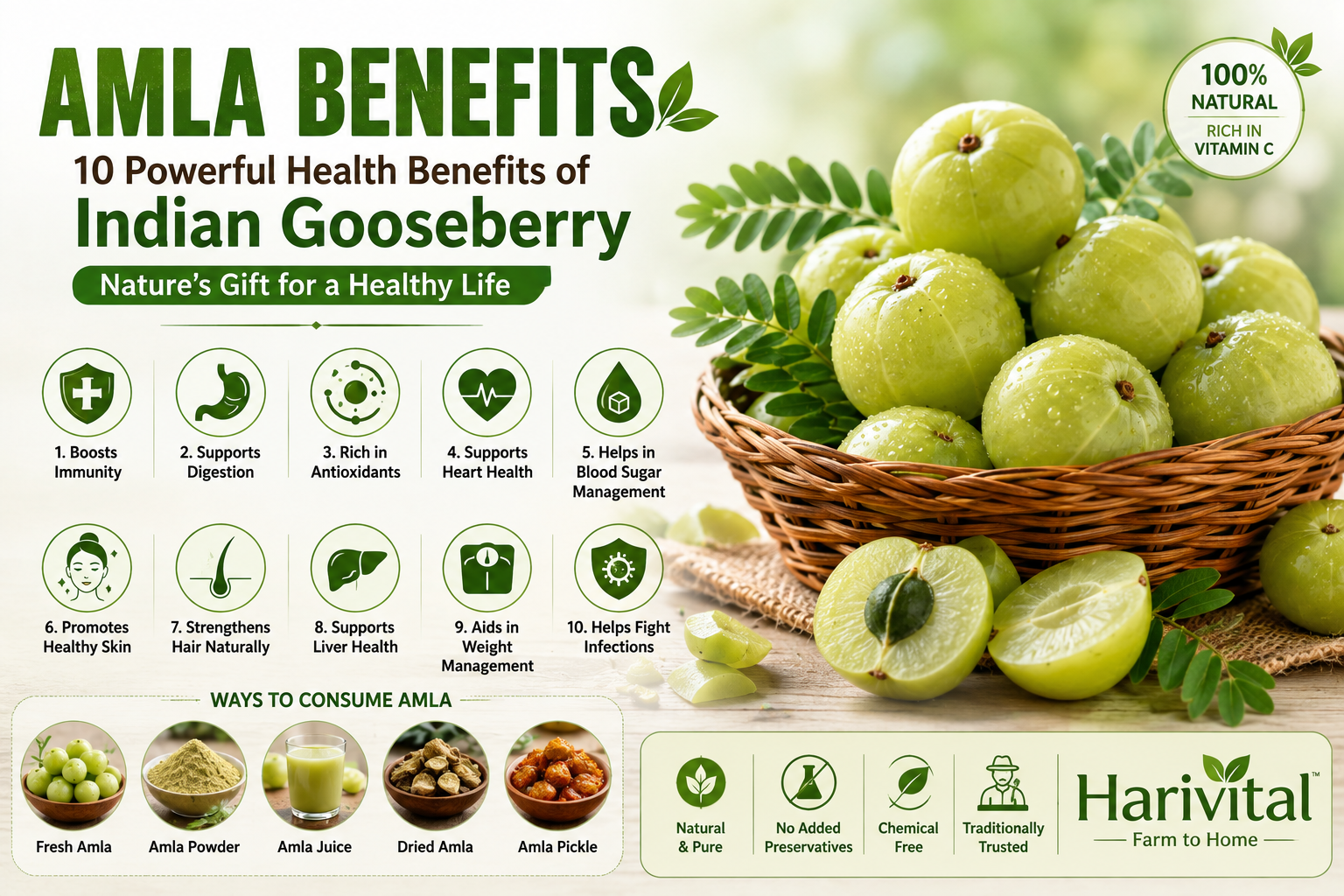
13. Amla and Other Vitamin C-Rich Fruits
Amla, oranges, guava, kiwi, strawberries, and other fruits provide vitamin C and other useful nutrients.
Vitamin C supports normal immune function and helps the body produce collagen, which is important for connective tissues.
Guava and amla can be particularly useful options when available locally.
However, there is no need to consume large amounts simply because a food is high in vitamin C.
A varied diet usually provides many of the nutrients your body needs.
14. Sweet Potatoes
Sweet potatoes provide carbohydrates, fiber, potassium, and carotenoids.
They can be a useful alternative to highly refined carbohydrate foods.
For example, you can roast or steam them and serve them with a protein source and vegetables.
As a result, a simple sweet potato can become part of a balanced meal rather than just a snack.
15. Tomatoes
Tomatoes provide vitamin C, potassium, and carotenoids such as lycopene.
Interestingly, cooking tomatoes can increase the availability of some compounds.
Therefore, both fresh and cooked tomatoes can have a place in a healthy diet.
Add them to salads, dals, curries, soups, or vegetable dishes.
16. Garlic and Onions
Garlic and onions are not miracle medicines.
Nevertheless, they add flavor while also providing plant compounds.
That makes them useful for people trying to prepare nutritious meals without relying heavily on excessive salt or highly processed sauces.
For example, using garlic, onion, herbs, spices, ginger, and other natural seasonings can make vegetables and legumes much more enjoyable.
17. Green Tea
Green tea contains polyphenols and caffeine.
Some research has explored relationships between tea consumption and long-term health outcomes. However, the evidence does not mean that green tea can prevent aging or disease on its own.
Therefore, think of it as a healthy beverage option rather than a miracle drink.
Choose unsweetened or lightly sweetened tea instead of turning it into a high-sugar beverage.
Why Protein Matters for Healthy Aging
One of the biggest nutritional priorities as people age is maintaining muscle.
Muscle naturally tends to decline with age, particularly when people become less physically active.
This can affect strength, balance, mobility, and independence.
Therefore, adequate protein intake becomes an important part of a healthy aging diet.
Useful protein sources include:
- Eggs
- Fish
- Yogurt
- Milk
- Dal
- Chana
- Rajma
- Lentils
- Soy foods
- Nuts and seeds
- Lean meats, if you eat them
However, protein is only one part of the equation.
Regular resistance exercise is also important for maintaining strength and muscle function.
Therefore, combining protein-rich foods + physical activity is a much better strategy than relying on food alone.
If you have kidney disease or another medical condition that affects protein requirements, talk with your healthcare professional before making major dietary changes.
Bone Health Matters Too
Strong bones help maintain mobility and independence.
Calcium is an important mineral for bone health, while vitamin D helps the body absorb calcium and supports normal bone function.
Dairy products such as milk and yogurt can provide calcium.
Other foods may also contribute calcium depending on the diet, including some fortified plant-based beverages, tofu made with calcium salts, certain leafy greens, and other foods.
Vitamin D is more complicated because dietary sources are limited.
Sunlight contributes to vitamin D production, but the amount a person makes depends on factors such as skin type, age, location, season, clothing, and sun exposure.
Therefore, people at risk of deficiency may need professional advice and, in some cases, testing.
Heart-Healthy Foods for Healthy Aging
Your heart works continuously throughout your life.
Therefore, supporting cardiovascular health is an important part of healthy aging.
A heart-friendly eating pattern generally emphasizes:
- Vegetables
- Fruits
- Whole grains
- Beans
- Nuts
- Seeds
- Fish
- Healthy fats
At the same time, it is useful to limit excessive sodium, added sugars, saturated fats, and highly processed foods.
For example, replacing a sugary drink with water may be a small change.
Likewise, choosing nuts instead of a highly processed snack can improve the overall nutritional quality of a meal.
Small changes become meaningful when repeated consistently.
Fiber: An Underrated Nutrient for Healthy Aging
Fiber deserves special attention.
It supports normal digestion and can help you feel full after meals.
Fiber-rich foods include:
- Beans
- Lentils
- Whole grains
- Vegetables
- Fruits
- Nuts
- Seeds
Therefore, if your current diet is low in fiber, increase it gradually and drink enough fluids.
A sudden large increase can cause digestive discomfort in some people.
Hydration Is Part of Healthy Aging
Food gets most of the attention, but water matters too.
As people age, thirst perception can change. Therefore, some older adults may not always feel thirsty even when they need fluids.
Water should generally be the primary beverage.
However, fluids can also come from foods such as fruits, vegetables, soups, and yogurt.
People with certain medical conditions may have specific fluid restrictions, so individual medical advice matters.
What Foods Should You Limit?
Healthy aging does not mean creating a list of foods you can never eat.
Instead, focus on foods that are better consumed less frequently.
These may include:
- Sugary drinks
- Highly processed snacks
- Excessive sweets
- Foods very high in sodium
- Foods high in trans fats
- Large amounts of heavily fried foods
- Excessive alcohol, where applicable
The reason is simple.
When these foods take up too much space in your diet, they can leave less room for nutrient-rich foods.
Therefore, think about replacement rather than punishment.
Instead of simply removing a snack, choose a better option.
Instead of drinking a sugary beverage, try water.
Instead of eating packaged sweets every evening, choose fruit or plain yogurt more often.
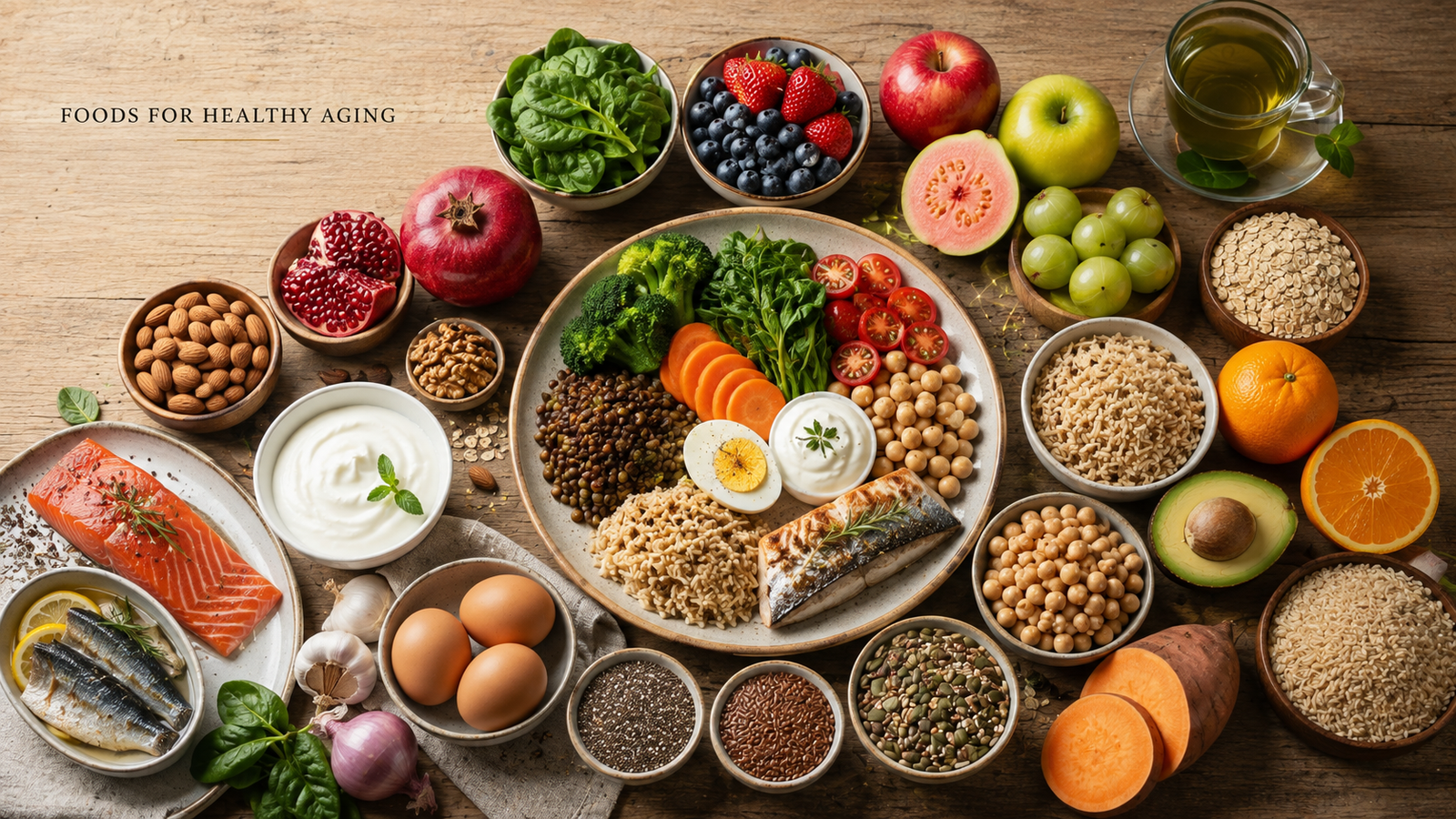
A Simple Healthy Aging Plate
You do not need to calculate every nutrient in every meal.
A simple plate can work surprisingly well.
Try making approximately:
½ plate vegetables and fruit
¼ plate protein-rich foods
¼ plate whole grains or other nutrient-rich carbohydrates
Then add a small amount of healthy fat.
For example:
Lunch
- Mixed vegetables
- Dal
- Whole-wheat roti
- Salad
- Plain curd
Dinner
- Vegetable curry
- Chana or beans
- Brown rice or whole-grain roti
- Seasonal salad
This flexible approach can work with many different cuisines.
A Simple One-Day Healthy Aging Diet
Here is an example of how these principles can come together.
Breakfast
Oats with fruit, nuts, and plain yogurt.
Alternatively, you could choose vegetable poha with eggs or another protein source.
Mid-Morning
One seasonal fruit.
Guava, orange, apple, papaya, or another fruit can work.
Lunch
Dal + vegetables + whole-wheat roti + salad + plain curd.
Evening
Roasted chana or a small handful of unsalted nuts.
Dinner
Vegetables + beans or another protein source + whole grains.
Throughout the Day
Drink water regularly according to your needs.
This is only an example, not a personalized medical diet.
Your age, activity level, medical conditions, medications, allergies, culture, and dietary preferences can all change your nutritional requirements.
Healthy Aging Is More Than Food
Nutrition matters.
However, food is only one part of the equation.
Regular physical activity helps maintain strength, balance, cardiovascular fitness, and mobility.
Sleep supports physical and mental health.
Social relationships contribute to emotional well-being.
Mental stimulation keeps you engaged.
Regular medical checkups can help identify health problems early.
Therefore, a healthy aging lifestyle should combine all of these areas.
You do not need to become perfect at everything.
Instead, improve one habit at a time.
Common Healthy Aging Nutrition Mistakes
Mistake 1: Eating Too Little Protein
Some older adults eat mostly carbohydrates and vegetables while getting very little protein.
Adding dal, beans, eggs, yogurt, fish, or other suitable protein sources can help create more balanced meals.
Mistake 2: Avoiding All Fats
Healthy fats are not the enemy.
Nuts, seeds, fish, avocado, and suitable plant oils can be part of a balanced diet.
The goal is to choose healthier fats more often and avoid excessive unhealthy fats.
Mistake 3: Depending on Supplements
Supplements can be useful when there is a documented deficiency or a specific medical reason.
However, supplements should not replace a varied diet.
Therefore, speak with a healthcare professional before taking high-dose supplements.
Mistake 4: Searching for “Anti-Aging” Foods
No food can stop the natural aging process.
Instead, focus on foods that support normal body function and overall health.
Mistake 5: Making Extreme Changes
Extreme diets can be difficult to maintain.
A better strategy is gradual improvement.
Add vegetables.
Increase protein.
Choose whole grains more often.
Drink more water.
Reduce highly processed foods.
Then repeat.
Frequently Asked Questions About Foods for Healthy Aging
What are the best foods for healthy aging?
There is no single best food.
A varied diet containing vegetables, fruits, whole grains, beans, lentils, nuts, seeds, fish or other protein sources, and healthy fats is a strong foundation.
What are the best healthy aging foods for muscle?
Protein-rich foods such as eggs, yogurt, fish, beans, lentils, soy foods, and lean meats can help provide protein needed for muscle maintenance.
However, regular strength training is also important.
Are fruits good for healthy aging?
Yes.
Whole fruits provide fiber, vitamins, minerals, water, and plant compounds.
Choose a variety of fruits rather than focusing on one “superfruit.”
Are nuts good for healthy aging?
Yes.
Nuts provide healthy fats, fiber, protein, vitamins, and minerals.
However, because they are calorie-dense, moderate portions are appropriate for most people.
What foods support bone health?
Calcium-rich foods such as dairy products and certain fortified foods can contribute to bone health. Vitamin D is also important.
Individual needs vary, so people concerned about bone health should discuss their situation with a healthcare professional.
Can food make you live longer?
No specific food guarantees a longer life.
However, healthy dietary patterns are associated with better long-term health outcomes.
Nutrition works together with physical activity, sleep, healthcare, and other lifestyle factors.
What should older adults eat every day?
A practical approach is to include vegetables, fruits, protein-rich foods, whole grains or other high-fiber carbohydrates, healthy fats, and adequate fluids.
The exact portions depend on individual needs.
Final Thoughts
Healthy aging is not about finding a secret food.
It is about building a lifestyle that supports your body year after year.
The best foods for healthy aging are often simple foods that have been part of traditional diets for generations: vegetables, fruits, dal, beans, whole grains, nuts, seeds, yogurt, eggs, fish, and other nutrient-rich foods.
Furthermore, you do not need expensive superfoods to eat well.
A bowl of dal, seasonal vegetables, whole-wheat roti, fruit, and a handful of nuts can provide an impressive range of nutrients.
The key is variety.
Eat different colors.
Choose different protein sources.
Include fiber-rich foods.
Drink enough fluids.
And limit highly processed foods, excessive added sugar, sodium, and unhealthy fats.
Most importantly, remember that healthy aging is a long-term process.
One healthy meal will not transform your health overnight.
Likewise, one indulgent meal will not destroy it.
What matters is what you do consistently.
So, instead of searching for the perfect diet, build a realistic healthy aging diet that you can enjoy and maintain.
Eat well. Stay active. Sleep enough. Keep learning. Stay connected. And give your body the nutrients it needs to stay strong as you grow older.